
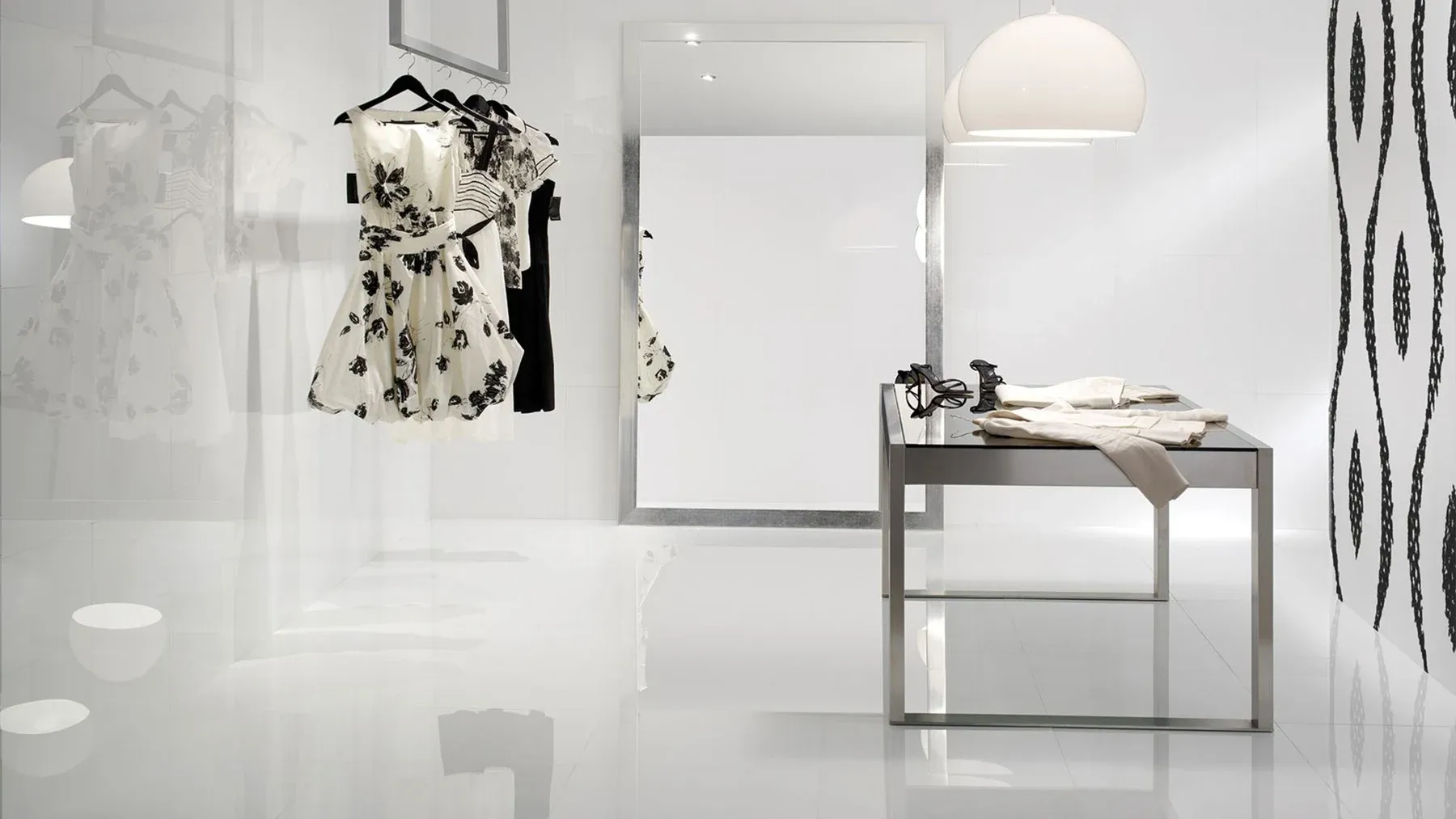
A bathroom is experienced at close range: barefoot, with steam and side lighting. Stone selection should respond to that experience as well as the photograph. Floors, showers, vanities and walls have different requirements; define each area before choosing its finish.
Mundo Pétreo
One stone. Many ways to live with it.
Scale, light and neighbouring materials change how stone is perceived. Explore its applications as a starting point for your own project.
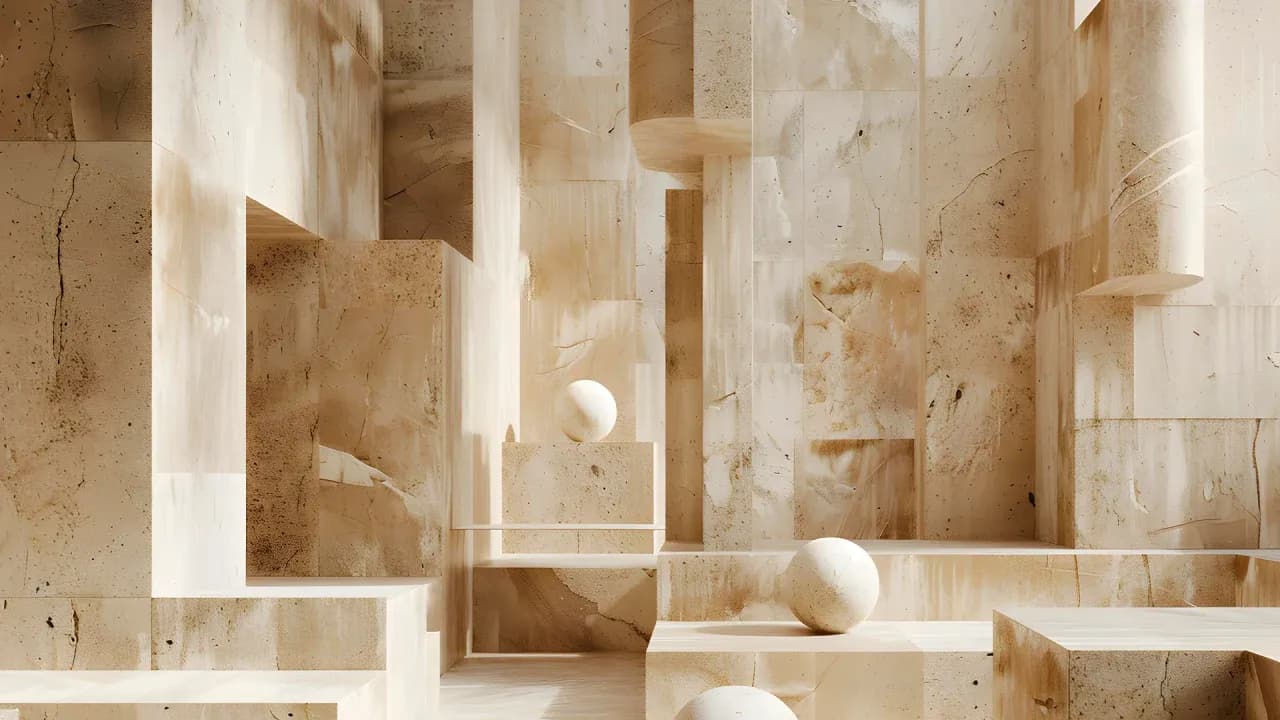
Our perspective
From the space you imagine to the material you need.
A bathroom calls for different decisions from a façade or a backlit feature. We therefore organise references by use: to help ask the right questions as well as find an atmosphere.
If you need a built reference using a specific material, tell us the project type. Our team can share available information and clarify the scope of each reference.
The collection
Think from the space.
8 results
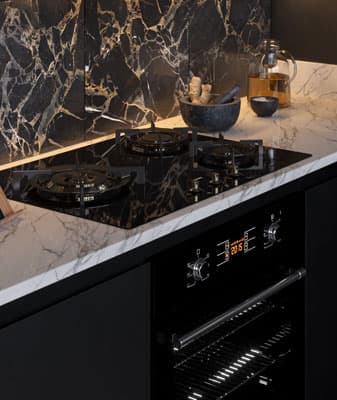
A worktop receives water, food, utensils and repeated daily use. Choosing it means discussing habits: how much cooking takes place, how cleaning is done and which changes in appearance are acceptable. Marble may develop marks and patina; understanding that before deciding is part of a sound selection.
A stone floor is understood by walking across it. Format establishes rhythm, joints organise the surface and finish changes the light within the room. Before fixing a grid, consider circulation, thresholds and the viewpoints from which the whole will be seen.
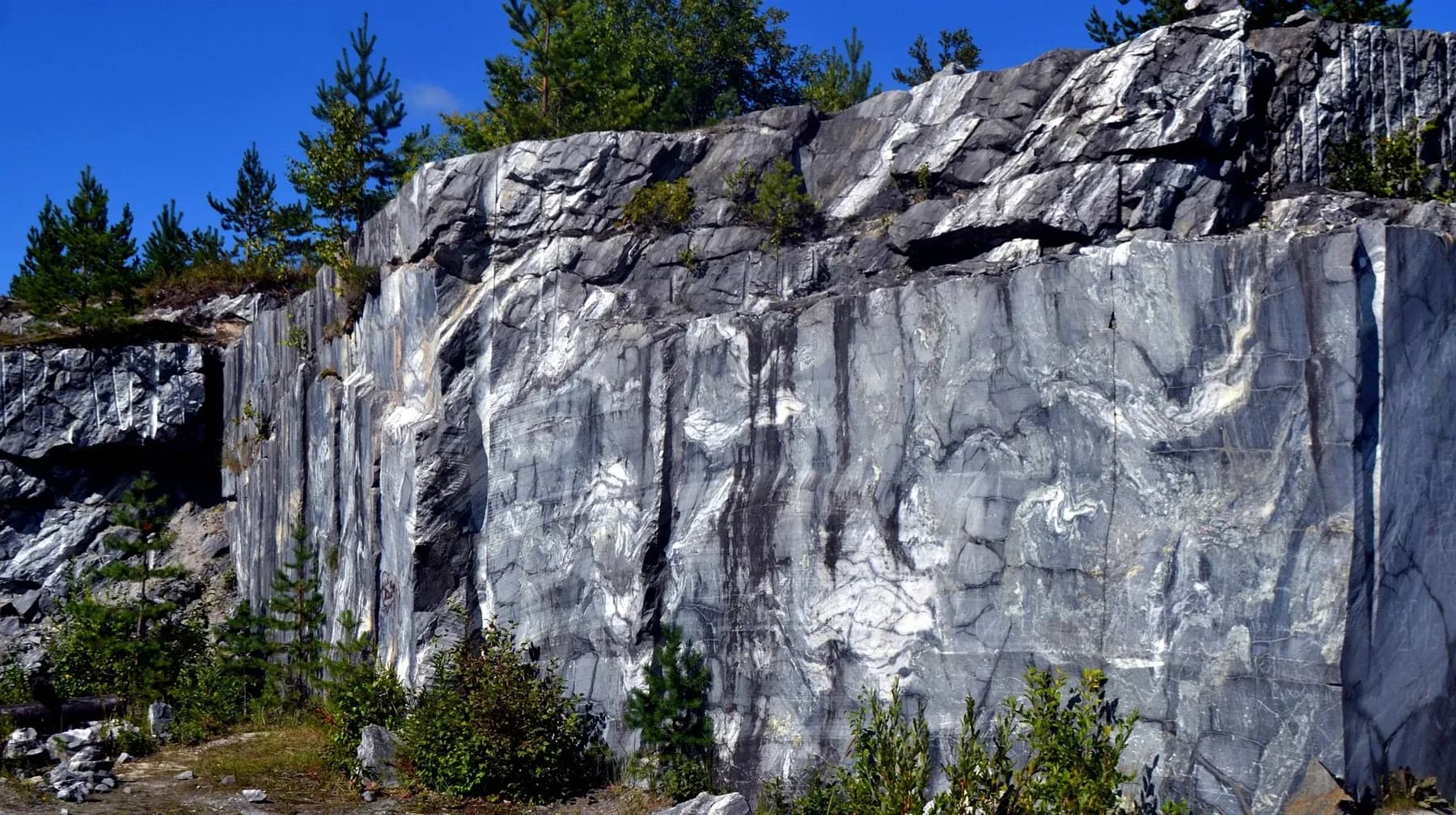
On a façade, stone is seen from a distance and exposed to conditions a tabletop sample cannot reproduce. Orientation, exposure, height and fixing system belong in the selection from the start. Appearance and technical validation need to progress together.
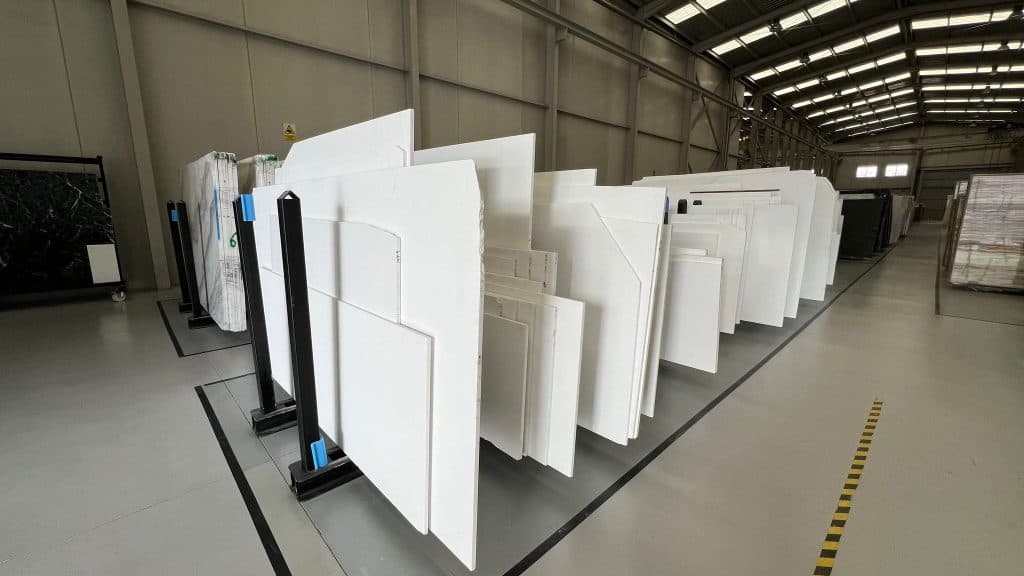
Stone cladding does not need to cover every wall to give a room identity. It can define a living room backdrop, follow a route or mark a transition between spaces. Where it begins and ends matters as much as the chosen material.
On a stair, each piece is read in relation to the next. Tread, riser, edge and landing form a sequence that can be continuous or deliberately fragmented. Studying it in elevation helps anticipate the course of the veins.
Stone can give a fireplace an almost sculptural presence or integrate it into a quiet plane. Before choosing a slab, decide what should be read: a frame, a volume or an entire wall. That intention will organise proportions, joints and vein direction.
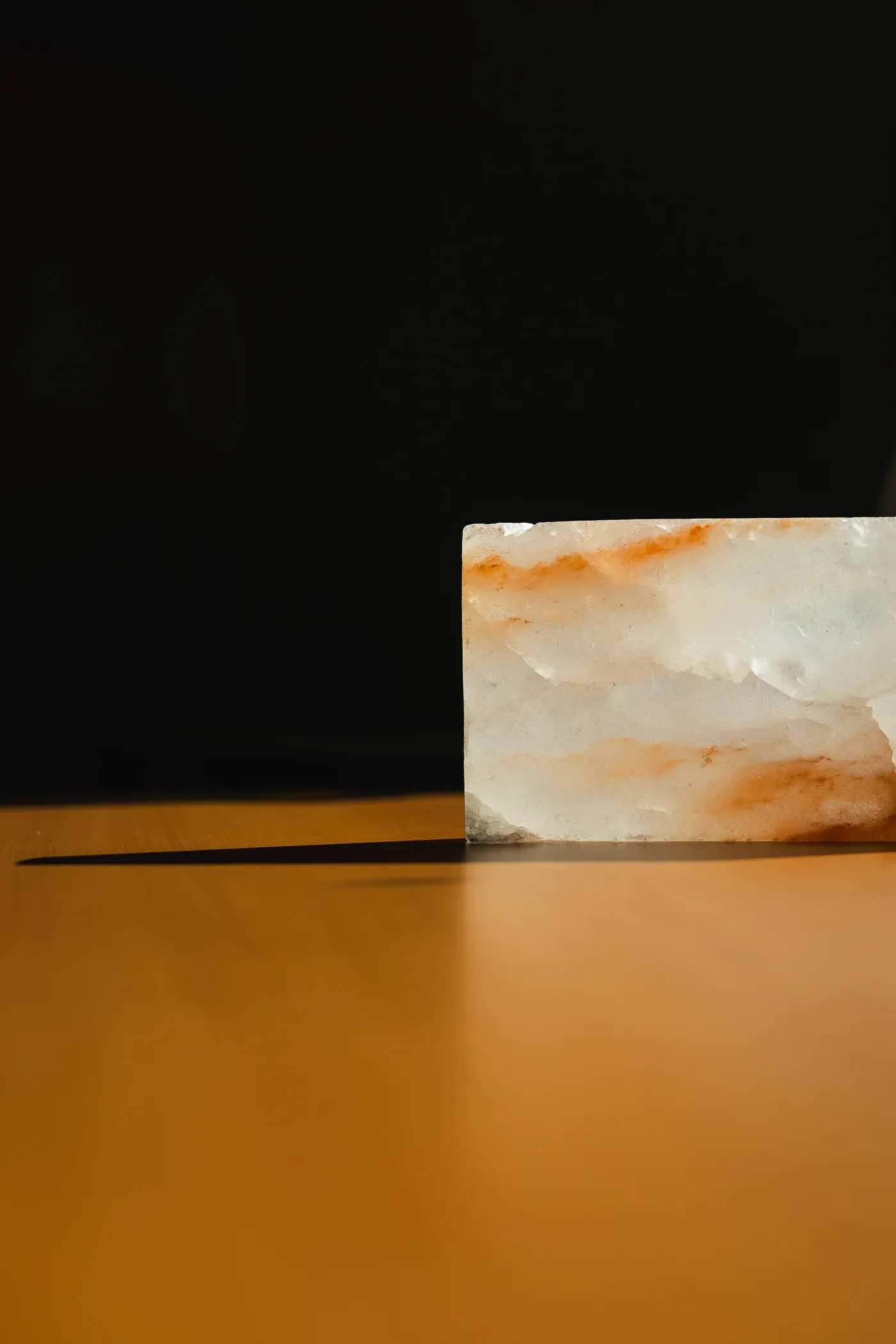
Backlighting is more than placing an LED strip behind a slab. Stone, backing and light form one assembly. The actual translucency of the selection must be understood and light distribution tested to avoid overly pronounced hotspots.


We start by listening
Your project has a place to begin.
Choose up to four materials or ask us for guidance. Tell us where you imagine the stone and what stage your project is at.
- 01Choose your materials
- 02Tell us about your project
- 03We work out the details together